 Fax: (239) 692-9436
 Tel: 239-430-3668
Wondering if you need supportive shoes at home? Learn when barefoot walking is safe, how foot structure affects strain, and simple tips for indoor support to stay comfortable and healthy.
Many of us automatically reach for shoes when leaving the house, but inside our own homes, going barefoot or wearing socks is the norm. While this feels natural, it’s worth considering whether your feet really benefit—or suffer—from going unsupported indoors.
Your feet carry your entire body weight, and prolonged walking or standing on hard floors—like tile, hardwood, or concrete—can place stress on your arches, heels, and ankles. For some people, especially those with flat feet, high arches, or pre-existing foot issues, this strain can lead to discomfort, fatigue, or even long-term problems.
Why Foot Support Matters at Home
Even at home, your feet face mechanical demands. Supportive footwear can help:
- Reduce excessive pressure on the arches and heels.
- Minimize joint stress that can affect knees, hips, and lower back.
- Provide cushioning during long periods of standing, such as cooking or cleaning.
While outdoor shoes are designed for uneven terrain, indoor support doesn’t need to be bulky. Lightweight, cushioned slippers or indoor shoes can offer adequate protection without compromising comfort.
When Barefoot Walking Is Safe
Short barefoot walks are generally fine for most people. Barefoot walking can even strengthen foot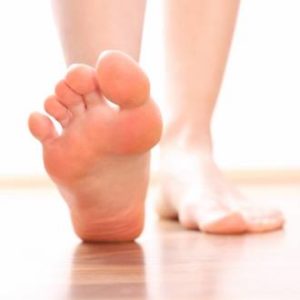 muscles, improve balance, and increase sensory awareness of the ground beneath you. However, risks increase if you:
- Spend hours standing or walking on hard surfaces.
- Have flat feet, high arches, or other structural foot differences.
- Experience heel pain, plantar fasciitis, or other chronic foot conditions.
Choosing the Right Indoor Support
You don’t need high-tech sneakers indoors, but some support can make a difference:
- Cushioned slippers: Offer gentle arch and heel support for everyday movement.
- Orthotic inserts: Helpful for people with chronic foot pain or structural issues.
- Anti-fatigue mats: Ideal for kitchens, home offices, or work areas where you stand frequently.
- Socks with grip: Prevent slips while still allowing some foot freedom.
Factors to Consider
Every individual’s feet and routines are different, so personalization is key. Ask yourself:
- Foot type: Are your feet flat, high-arched, or neutral?
- Activity level: Do you walk or stand for long periods at home?
- Flooring type: Are you on tile, hardwood, carpet, or concrete?
- Existing symptoms: Do your feet, knees, or back ache after prolonged standing?
By evaluating these factors, you can decide whether barefoot walking is safe or if some support is beneficial.
Practical Tips for Healthy Indoor Footwear
- Alternate between barefoot time and supportive slippers to balance foot strengthening and protection.
- Stretch your calves, arches, and feet regularly to reduce strain.
- Consider lightweight indoor shoes with memory foam or arch inserts for long chores.
- Use rugs or anti-fatigue mats in high-traffic areas to reduce impact on hard floors.
Supportive shoes at home aren’t a strict requirement for everyone, but they can prevent discomfort and long-term strain, especially for people with certain foot structures or chronic issues. Short barefoot walks are safe for most, but prolonged standing or walking on hard surfaces may benefit from cushioning or arch support.
Ultimately, the best approach is personalized: understand your foot type, monitor your comfort, and provide support where needed. With the right balance, you can enjoy both the freedom of barefoot walking and the protection of light indoor footwear.
If you have foot or ankle issues, don’t hesitate to contact FFLC office at (239) 430-3668 (FOOT) or visit www.NaplesPodiatrist.com to schedule an examination.
Serving Southwest Florida Since 2005, Family Foot & Leg Center has multiple convenient locations throughout Collier, Lee, Charlotte, and Sarasota Counties. Offering pediatric to geriatric family care: Ingrown Toenails, Heel Pain, Bunions, Foot / Ankle Arthritis Pain, Plantar Fasciitis, Foot / Ankle Surgery, Custom Orthotics, and Diabetic Wound Care. In office X-rays, ultrasounds, and minor surgical suite exam rooms. Practice powered by EMR and advanced technologies.
Home of the Lam Minimally Invasive No-Scar Bunion Surgery! Come Discover Why Patients Love Our 5-Star Foot & Ankle Care!
For advanced wound management and diabetic wound healing resources, visit: WoundHealingExperts.com
Same Day Appointments! Easy Online Appointment Scheduling.

Dr. Kevin Lam, DPM, FACFAS, DABLES, DABPS is Clinical Director of Family Foot and Leg Center, PA — Southwest Florida’s premier podiatric practice. He earned his Doctor of Podiatric Medicine degree with honors from Temple University School of Podiatric Medicine and completed advanced surgical training at Mount Sinai Medical Center and Jackson Memorial Health System, Miami. Named among America’s Top Podiatrists. Board-certified in foot surgery, reconstructive rearfoot and ankle surgery, and lower extremity surgery. Serving Southwest Florida since 2005 across 9 locations from Marco Island to Sarasota.