
 Fax: (239) 692-9436
 Tel: 239-430-3668
Foot drop, tingling, burning, numbness, or weakness in the foot and ankle can make everyday walking—and favorite activities such as golf, pickleball, running, or simply keeping up with family—much more difficult.
For selected patients with a compressed or irritated nerve, Dr. Kevin Lam, DPM, FACFAS, DABLES, DABPS, offers ultrasound-guided hydrodissection as a minimally invasive treatment option. This procedure may be considered for common peroneal nerve entrapment and tarsal tunnel syndrome after a careful evaluation confirms that nerve compression is contributing to the symptoms.
Hydrodissection is not a replacement for every form of nerve treatment, and it cannot guarantee that surgery will be avoided. However, for the right patient, it may provide a needle-based option before open nerve-release surgery is considered.
What Is the Common Peroneal Nerve?
The common peroneal nerve travels around the outside of the knee near the fibular head, then helps control muscles that lift the foot and toes. It also provides sensation to parts of the lower leg and the top of the foot.
Because this nerve lies close to the surface near the outside of the knee, it can be vulnerable to trauma, swelling, scar tissue, prolonged pressure, and certain surgical or orthopedic conditions.
When the nerve is compressed, stretched, or injured, it may cause common peroneal neuropathy or peroneal nerve entrapment.
Can Peroneal Nerve Problems Cause Foot Drop?
Yes. One of the most concerning signs of a common peroneal nerve problem is foot drop—difficulty lifting the front of the foot or toes while walking.
Symptoms can include:
- Tripping because the toes catch the ground
- A “slapping” gait
- Weakness when lifting the foot upward
- Numbness or tingling on the top of the foot
- Burning, shooting, or electric pain along the outside of the knee or lower leg
- Difficulty walking safely on uneven ground, stairs, golf courses, or pickleball courts
Foot drop has several possible causes, including nerve compression near the knee, injury, a problem higher in the leg, or a condition involving the spine. New or worsening weakness should be evaluated promptly.
When Does Common Peroneal Nerve Entrapment Happen?
Common peroneal nerve symptoms can develop after trauma around the knee or leg, including falls, fractures, sports injuries, or direct impact to the outside of the knee.
It can also occur after orthopedic procedures, including total knee replacement. Peroneal nerve palsy after total knee arthroplasty is uncommon but recognized in medical literature, particularly in certain higher-risk situations such as significant knee deformity.
Not every patient with numbness or weakness after trauma or knee replacement has a trapped peroneal nerve. That is why a precise evaluation matters before any procedure is recommended.
What Is Ultrasound-Guided Hydrodissection?
Hydrodissection is a minimally invasive, ultrasound-guided injection procedure. Using real-time ultrasound, Dr. Lam identifies the nerve and the surrounding tissues, then carefully places fluid around the nerve to separate it from tissue that may be restricting or irritating it.
The goals are to:
- Identify the precise area of suspected nerve entrapment
- Reduce pressure from surrounding tissue or adhesions
- Create a safer, image-guided pathway around the nerve
- Offer a non-open-surgical treatment option for selected patients
Because ultrasound shows the nerve and nearby structures in real time, it helps guide treatment with greater anatomical precision than an injection performed without imaging.
Can Hydrodissection Treat Foot Drop?
Hydrodissection may be considered when foot drop or weakness is related to a focal common peroneal nerve entrapment. It is not appropriate for every cause of foot drop.
For example, hydrodissection may not be the right treatment if testing suggests a major nerve injury, severe or progressive loss of function, a mass, significant structural compression, or a problem originating in the spine. In those situations, further diagnostic workup, bracing, physical therapy, referral, or surgical decompression may be needed.
The first priority is identifying why the foot is weak. Treatment should follow the diagnosis—not just the symptom.
Hydrodissection for Tarsal Tunnel Syndrome
Dr. Lam also offers ultrasound-guided hydrodissection for selected patients with tarsal tunnel syndrome.
The tarsal tunnel is located along the inside of the ankle. It is a narrow passageway where the tibial nerve and its branches travel into the foot. Compression or irritation in this area can cause:
- Burning or tingling in the sole of the foot
- Numbness in the heel, arch, or toes
- Shooting pain around the inside of the ankle
- Symptoms that worsen with prolonged standing or walking
- Nighttime burning or electric sensations
For patients whose symptoms and examination suggest focal nerve compression, ultrasound-guided hydrodissection may be considered as a minimally invasive effort to relieve irritation around the nerve before proceeding to open tarsal tunnel release.
Is Hydrodissection a Substitute for Open Nerve Surgery?
Not always. Hydrodissection is an option to consider—not a promise that surgery will never be necessary.
Open nerve decompression may still be recommended when there is persistent or progressive weakness, severe compression, a structural cause that cannot be addressed with an injection, or symptoms that do not improve with nonsurgical care.
The advantage of hydrodissection is that it may allow selected patients to try a targeted, ultrasound-guided treatment without starting with an open incision. The decision should be based on the location and cause of the nerve problem, symptom severity, examination findings, and the patient’s goals.
What Does the Evidence Say?
Ultrasound-guided hydrodissection is increasingly used for peripheral nerve entrapment syndromes. Published reviews suggest it can be a useful and generally well-tolerated technique for certain nerve-compression conditions.
However, patients should understand that the strongest research base has focused on other nerve entrapments, particularly carpal tunnel syndrome. Direct research on hydrodissection for common peroneal nerve entrapment and tarsal tunnel syndrome is more limited. For that reason, Dr. Lam evaluates each case individually and does not present hydrodissection as a one-size-fits-all cure.
What Are the Potential Risks?
Every procedure has risks. These may include temporary soreness, bruising, bleeding, infection, a flare in nerve symptoms, allergic or medication-related reactions, lack of lasting benefit, and rare injury to nearby structures.
Ultrasound guidance is used to improve visualization and procedural accuracy, but no treatment is risk-free. During your visit, Dr. Lam will discuss whether hydrodissection is medically appropriate for your specific condition and review the expected benefits, limitations, and alternatives.
When Should You Seek Prompt Evaluation?
Call promptly for an evaluation if you have:
- New foot drop or increasing weakness
- New numbness after knee surgery or leg trauma
- Repeated tripping or falls
- Severe burning or electric nerve pain
- Numbness combined with a diabetic wound, skin breakdown, or balance problems
- Symptoms that are limiting your ability to walk, exercise, work, or stay active
Fast access to a foot and ankle specialist matters when nerve symptoms are new or worsening.
Evaluation for Peroneal Neuropathy or Tarsal Tunnel Syndrome in Southwest Florida
Dr. Kevin Lam and the Family Foot & Leg Center team provide specialized foot and ankle care for patients from Marco Island to Sarasota. An evaluation may include a medical history, neurological and musculoskeletal examination, gait assessment, ultrasound evaluation, review of prior imaging or nerve testing, and discussion of both conservative and surgical options.
If you have foot drop, suspected peroneal nerve entrapment, or symptoms of tarsal tunnel syndrome, call 239-430-3668 or book online 24/7 to schedule an appointment.
Frequently Asked Questions
Is foot drop always caused by the peroneal nerve?
No. Foot drop can result from a peroneal nerve problem, but it can also come from other nerve, muscle, neurological, or spinal conditions. A proper evaluation is essential.
Can hydrodissection cure peroneal neuropathy?
It may help selected patients with focal nerve entrapment or irritation, but outcomes vary. It does not repair every type of nerve injury and cannot replace surgery when surgery is medically necessary.
Is hydrodissection the same as nerve surgery?
No. Hydrodissection is a needle-based, ultrasound-guided procedure. Open nerve decompression is a surgical procedure involving an incision to release pressure around a nerve.
Can tarsal tunnel syndrome cause burning in the bottom of the foot?
Yes. Burning, tingling, numbness, and electric sensations in the sole of the foot can occur with tarsal tunnel syndrome, although other conditions can cause similar symptoms.
Can I schedule quickly?
Family Foot & Leg Center offers same-day or next-day appointments when available across Southwest Florida. Call 239-430-3668 or book online 24/7.
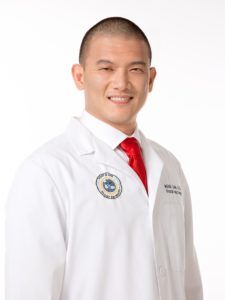
About Dr. Kevin Lam, DPM, FACFAS, DABLES, DABPS
Dr. Lam is the Founder and Clinical Director of Family Foot & Leg Center. He is board-certified in foot surgery, reconstructive rearfoot and ankle surgery, and lower-extremity surgery, serving patients across Southwest Florida from Marco Island to Sarasota.
Learn more about Dr. Kevin Lam
Medical References
- Common peroneal nerve palsy after total knee arthroplasty in valgus deformities: systematic review
- Acute common peroneal nerve decompression after total knee arthroplasty
- Systematic review: ultrasound-guided hydrodissection for peripheral nerve entrapment syndromes
- Course of tarsal tunnel syndrome after ultrasound-guided injections

Dr. Kevin Lam, DPM, FACFAS, DABLES, DABPS is Founder and Clinical Director of Family Foot and Leg Center, PA — Southwest Florida’s premier podiatric surgical group. He earned his Doctor of Podiatric Medicine degree with honors from Temple University School of Podiatric Medicine and completed advanced surgical training at Mount Sinai Medical Center and Jackson Memorial Health System, Miami. Named among America’s Top Podiatrists. Board-certified in foot surgery, reconstructive rearfoot and ankle surgery, and lower extremity surgery. International lecturer, adjunct professor, and fellowship training director. Serving Southwest Florida since 2005 across 9 locations from Marco Island to Sarasota.