 Fax: (239) 692-9436
 Tel: 239-430-3668
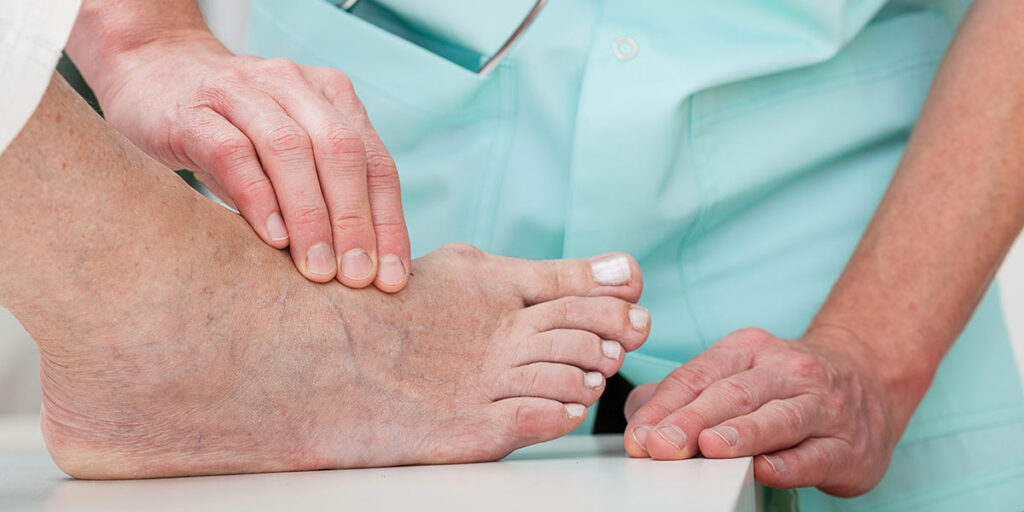
For many patients facing foot or toe surgery, the biggest concern is not always the procedure itself — it is the recovery. The thought of spending weeks off their feet, relying on crutches, or waiting months before returning to normal activity can feel overwhelming. Advances in minimally invasive foot surgery are changing that experience by allowing patients to walk sooner, recover faster, and preserve natural joint movement.
A Shift Away From Long Immobilization
Traditional surgical approaches for foot deformities or joint problems often involve extensive incisions, prolonged healing periods, and, in some cases, joint fusion. While fusion procedures can stabilize the foot, they may also reduce mobility and lead to stiffness.
Newer minimally invasive techniques focus on preserving function while reducing recovery time. Instead of requiring patients to remain non-weightbearing for weeks, surgeons can often allow immediate weightbearing after surgery. In many cases, the primary healing requirement is simply the skin itself rather than deep structural fusion.
This means patients may be able to:
- Walk immediately after surgery
- Avoid long periods on crutches or mobility aids
- Return to daily activities sooner
- Maintain natural joint movement
- Experience less stiffness in the toe or foot
Preserving Motion Instead of Fusing the Joint
One of the most significant benefits of minimally invasive procedures is the ability to avoid unnecessary joint fusion.
Fusion permanently joins bones together to eliminate movement at the joint. Although effective in some severe cases, it can create limitations in flexibility and gait mechanics. Patients frequently worry about having a stiff toe or losing natural motion.
By preserving the joint instead of fusing it, patients can continue to move more naturally after healing. Maintaining mobility can improve walking mechanics, comfort, and overall function.
According to the surgical philosophy described in the discussion, the goal is straightforward: stabilize the issue, allow the skin to heal, and enable the patient to regain function with very little downtime.
Faster Return to Activity
One of the most appealing aspects of modern minimally invasive foot surgery is the dramatically reduced recovery timeline.
Traditional recovery protocols may require patients to wait six to eight weeks before resuming normal activities. In contrast, immediate weightbearing protocols allow many individuals to begin walking right away and gradually return to routine activities much sooner.
For active adults, athletes, professionals, and parents, this shorter downtime can significantly improve quality of life during recovery.
Patients are increasingly looking for solutions that fit into their daily lives without forcing extended inactivity. The ability to recover while remaining mobile can make a major difference physically and emotionally.
Special Considerations for Growing Children
Parents of growing children often have additional concerns when considering foot procedures. One common issue is the development of flat feet or progressive structural changes during growth.
When treating pediatric patients, preserving natural anatomy and maintaining healthy foot mechanics becomes especially important. Minimally invasive approaches may offer advantages by supporting correction while minimizing disruption to growth and function.
Because children are still developing, treatment decisions should always consider long-term mobility, alignment, and activity levels.
The Future of Foot and Toe Surgery
Modern foot surgery continues to evolve toward techniques that emphasize:
- Smaller incisions
- Less tissue disruption
- Faster recovery
- Immediate mobility
- Preservation of joint motion
- Reduced postoperative stiffness
For many patients, these innovations represent a major improvement over older approaches that required extended immobilization and significant downtime.
While not every patient or condition qualifies for immediate weightbearing or minimally invasive treatment, advancements in surgical techniques are expanding the number of people who can benefit from faster, function-preserving recovery strategies.
Final Thoughts
The future of foot surgery is increasingly focused on helping patients recover quickly while preserving natural movement. Immediate weightbearing protocols and minimally invasive techniques are allowing many individuals to walk sooner, avoid stiffness, and return to their normal activities with less disruption.
For patients exploring surgical options, understanding the differences between traditional fusion procedures and motion-preserving minimally invasive approaches can be an important step toward making informed treatment decisions.
As always, consultation with a qualified foot and ankle specialist is essential to determine the most appropriate treatment based on individual anatomy, lifestyle, and long-term goals.
For more information or to schedule an evaluation, contact Naples Podiatrist today. Relief may be closer than you think.
Contact FFLC office at (239) 430-3668 or visit www.NaplesPodiatrist.com to schedule an appointment.
Serving Southwest Florida Since 2005, Family Foot & Leg Center has multiple convenient locations throughout Collier, Lee, Charlotte, and Sarasota Counties. Offering pediatric to geriatric family care: Ingrown Toenails, Heel Pain, Bunions, Foot / Ankle Arthritis Pain, Plantar Fasciitis, Foot / Ankle Surgery, Custom Orthotics, and Diabetic Wound Care. In office X-rays, ultrasounds, and minor surgical suite exam rooms. Practice powered by EMR and advanced technologies.
Home of the Lam Minimally Invasive No-Scar Bunion Surgery! Come Discover Why Patients Love Our 5-Star Foot & Ankle Care!
For advanced wound management and diabetic wound healing resources, visit:
WoundHealingExperts.com
Same Day Appointments! Easy Online Appointment Scheduling.
Dr. Kevin Lam, DPM, FACFAS, DABLES, DABPS is Clinical Director of Family Foot and Leg Center, PA — Southwest Florida’s premier podiatric practice. He earned his Doctor of Podiatric Medicine degree with honors from Temple University School of Podiatric Medicine and completed advanced surgical training at Mount Sinai Medical Center and Jackson Memorial Health System, Miami. Named among America’s Top Podiatrists. Board-certified in foot surgery, reconstructive rearfoot and ankle surgery, and lower extremity surgery. Serving Southwest Florida since 2005 across 9 locations from Marco Island to Sarasota.