
 Fax: (239) 692-9436
 Tel: 239-430-3668
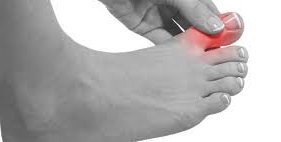
Most people don’t think much about their big toe—until it starts to feel stiff, sore, or limited. But that joint plays a critical role every time you take a step. When it’s not moving properly, your entire walking pattern can quietly change.
Why the Big Toe Matters
The big toe joint (first metatarsophalangeal joint) is essential for proper push-off during walking. As you step forward, this joint needs to bend smoothly to help propel your body ahead.
When that motion becomes restricted, even slightly, your body adapts.
Subtle Changes That Add Up
You may not notice it right away, but reduced motion in the big toe can lead to:
- Shorter stride length
- Less efficient push-off
- Increased pressure on other parts of the foot
Your body is remarkably good at avoiding discomfort. Instead of fixing the underlying issue, it compensates—shifting load elsewhere to keep you moving.
The Domino Effect of Compensation
Over time, these compensations can lead to stress in areas that weren’t designed to handle it, including:
- The arch of the foot
- The ankle joint
- The knee
This is why many patients experience changes in walking mechanics before they feel consistent pain.
Is It Hallux Rigidus?
Progressive stiffness in the big toe joint is often associated with a condition called hallux rigidus, a form of degenerative joint limitation.
Common signs include:
- Stiffness or reduced range of motion in the big toe
- Discomfort during longer walks or at the end of the day
- Relief when wearing shoes that limit toe motion
- A feeling that your walking pattern has subtly changed
While certain shoes may temporarily help by restricting motion, they don’t address the underlying joint mechanics.
Why Early Intervention Matters
The earlier this issue is identified, the easier it is to manage.
Addressing joint motion early can help:
- Restore more natural walking mechanics
- Reduce compensatory stress on other joints
- Slow progression of stiffness
Waiting until pain becomes constant often means the condition has already advanced.
What You Can Do
If you’ve noticed stiffness in your big toe or subtle changes in how you walk, it’s worth getting evaluated. A proper assessment can determine:
How much motion is present in the joint
Whether compensation patterns have developed
What treatment options are appropriate
Treatment may include:
- Joint mobilization techniques
- Custom orthotics
- Footwear guidance
- Targeted exercises
- Don’t Ignore the Early Signs
A stiff big toe might seem minor, but it can quietly influence how your entire body moves. Catching it early gives you more options—and better outcomes.
If something feels off with your step, it’s not something to push through. It’s something to look into.
Serving Southwest Florida Since 2005, Family Foot & Leg Center has multiple convenient locations throughout Collier, Lee, Charlotte, and Sarasota Counties. Offering pediatric to geriatric family care: Ingrown Toenails, Heel Pain, Bunions, Foot / Ankle Arthritis Pain, Plantar Fasciitis, Foot / Ankle Surgery, Custom Orthotics, and Diabetic Wound Care. In office X-rays, ultrasounds, and minor surgical suite exam rooms. Practice powered by EMR and advanced technologies.
Home of the Lam Minimally Invasive No-Scar Bunion Surgery! Come Discover Why Patients Love Our 5-Star Foot & Ankle Care!
For advanced wound management and diabetic wound healing resources, visit:
WoundHealingExperts.com
Same Day Appointments! Easy Online Appointment Scheduling.

Dr. Kevin Lam, DPM, FACFAS, DABLES, DABPS is Clinical Director of Family Foot and Leg Center, PA — Southwest Florida’s premier podiatric practice. He earned his Doctor of Podiatric Medicine degree with honors from Temple University School of Podiatric Medicine and completed advanced surgical training at Mount Sinai Medical Center and Jackson Memorial Health System, Miami. Named among America’s Top Podiatrists. Board-certified in foot surgery, reconstructive rearfoot and ankle surgery, and lower extremity surgery. Serving Southwest Florida since 2005 across 9 locations from Marco Island to Sarasota.