
 Fax: (239) 692-9436
 Tel: 239-430-3668
Understanding Peripheral Neuropathy: Causes, Symptoms, and Supportive Care Options
March 19 2026
Peripheral neuropathy is a condition that develops when nerves outside the brain and spinal cord become damaged or don’t function properly. These peripheral nerves are responsible for transmitting sensory information (like touch, pain, or temperature) and controlling motor function — especially in the hands and feet. When these nerves malfunction, patients often notice tingling, numbness, burning, or sharp pains that can interfere with daily life.
What Causes Peripheral Neuropathy?
Peripheral neuropathy has many potential causes, and the more we understand them, the better we can tailor treatment and prevention strategies:
- Diabetes: High blood sugar over time can damage small blood vessels and nerves, particularly in the feet and legs. Diabetic neuropathy affects a large portion of people with diabetes and is a leading cause of neuropathic symptoms.
- Vitamin Deficiencies: Lack of key nutrients — notably thiamine (vitamin B1) and vitamin B12 — can impair nerve health and contribute to nerve dysfunction.
- Autoimmune Diseases & Infections: Certain immune system conditions and infections can trigger nerve damage.
- Toxins and Medications: Heavy metals, industrial chemicals, and some chemotherapy drugs can injure nerves.
- Trauma and Repetitive Stress: Injury, chronic pressure on a nerve (as in tarsal tunnel syndrome), or repetitive motions can cause focal neuropathy.
Because neuropathy can stem from over 100 different sources, getting an accurate diagnosis is key to effective management.
Common Symptoms to Watch For
Peripheral neuropathy symptoms can vary widely — from mild irritation to significant discomfort or loss of function. Some of the most frequently reported symptoms include:
- Numbness, tingling, or “pins and needles” sensations
- Sharp, burning, or stabbing pain
- Weakness or difficulty controlling muscles
- Sensitivity to touch
- Reduced balance or coordination
Because the feet are often among the first areas affected, early detection and foot care are essential — especially for people living with diabetes or other chronic conditions.
How Podiatrists Approach Neuropathy Care
At Naples Podiatrist, we often see patients who first notice symptoms in the feet — the very area most vulnerable to nerve damage and its complications. Effective neuropathy care starts with a comprehensive evaluation that may include:
- Detailed symptom history
- Physical and neurological examination
- Diagnostic testing (such as nerve conduction studies)
- Laboratory work to check vitamin levels or underlying metabolic issues
This allows us to identify whether symptoms stem from diabetes, nutrient deficiencies, mechanical nerve compression (like tarsal tunnel), or other causes.
Supportive Care and Treatment Options
While there isn’t a one‑size‑fits‑all cure for neuropathy, multiple strategies can help reduce symptoms and improve quality of life:
1. Address the Underlying Cause
Optimizing blood sugar control in diabetes, correcting nutritional deficiencies, or adjusting medications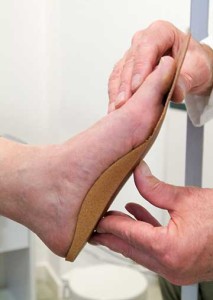 that may contribute to nerve damage can significantly help.
2. Symptom Management
Medications, physical therapy, and specialized footwear can ease pain and help prevent complications (like foot ulcerations or balance issues). In fact, podiatric care is often essential for preventing secondary problems related to numbness or loss of sensation.
3. Supportive Care and Treatment Options
While there isn’t a one-size-fits-all cure for neuropathy, several strategies can help reduce symptoms and improve quality of life:
a. Address the Underlying Cause
Managing blood sugar in diabetes, correcting vitamin deficiencies, or adjusting medications that may contribute to nerve damage can significantly help. (drlamlabs.com)
b. Symptom Management
Medications, physical therapy, and specialized footwear can ease pain and help prevent complications like foot ulcers or balance issues. Podiatric care is often essential for preventing secondary problems related to numbness or loss of sensation.
c. Nerve Support with Advanced Therapies
Targeted therapies can support nerve function and overall foot health. One option is NeurX, a non-invasive nerve support system that promotes nerve repair and circulation. When combined with conventional care, NeurX can help patients experience improved comfort, reduced tingling or burning, and enhanced mobility.
d. Lifestyle Modifications
Regular exercise, proper foot care, a balanced diet, and avoiding toxins such as excessive alcohol can support nerve health and slow neuropathy progression.
4. Lifestyle Modifications
Regular exercise, proper foot care, healthy diet choices, and avoiding toxins such as excessive alcohol can support overall nerve health and slow progression.
When to Seek Help
If you’re experiencing persistent numbness, burning pain, balance issues, or new foot symptoms that interfere with daily activities or sleep, it’s important to talk with a healthcare provider. Early assessment can often prevent more severe nerve damage and reduce the risk of complications like foot ulcers or falls.
In Summary:
Peripheral neuropathy is a complex condition with many causes and symptoms. Understanding its root factors — from diabetes to nutrient deficiencies — helps guide effective care. Whether through advanced podiatric evaluation, lifestyle changes, or supportive nutrient strategies, there are options to improve comfort and nerve health. As always, treatments are most successful when tailored to each person’s unique condition.