 Fax: (239) 692-9436
 Tel: 239-430-3668
The latest insights into Minimally Invasive Surgery! Say goodbye to pain and hello to quicker recovery and tiny scars. Read our article to learn how this modern approach is changing lives! #BunionSurgery #Podiatry #FootHealth #MinimallyInvasive #Innovation #FFLC
Robert Bello, DPM, FACFAS, DABPS
Kevin Lam, DPM, FACFAS
Overview:
- Minimally Invasive Bunion Surgery
- Benefits
- Techniques
- Determining Candidacy
- Recovery
A few conditions present as frequently and with as much patient discomfort as bunions. The unique climate here often means open-toed shoes are a necessity, making bunion-related pain and cosmetic concerns even more pronounced for my patients. For decades, the traditional open bunionectomy, while undeniably effective, often came with a significant recovery period, extensive scarring, and understandable apprehension for many individuals. However, the landscape of bunion correction has been profoundly evolving, and I’m here to share my enthusiasm for a true game-changer in our field: minimally invasive bunion surgery.
For those unfamiliar, a bunion – or Hallux Valgus, as we call it in medical terms – is a complex deformity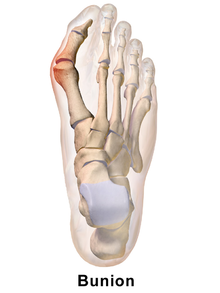 of the big toe joint. It’s characterized by the big toe drifting laterally, towards the second toe, causing a prominent bony bump on the inside of the foot at the base of the big toe. This isn’t merely a cosmetic issue; it’s a progressive deformity that can lead to a cascade of problems including:
- Chronic Pain: Often a deep, aching pain in the joint, exacerbated by activity and shoe wear.
- Inflammation and Redness: The constant rubbing against shoes can lead to bursitis, a painful inflammation of the fluid-filled sac near the joint.
- Difficulty with Footwear: Narrow or ill-fitting shoes become unbearable, significantly limiting footwear choices.
- Calluses and Corns: Pressure points on the big toe and sometimes the second toe can develop painful calluses or corns.
- Impact on Gait and Balance: The altered mechanics of the foot can affect how a person walks, potentially leading to pain in other areas of the foot, ankle, knee, or even lower back.
- Progression of Deformity: Without intervention, bunions tend to worsen over time, potentially leading to hammer toes or crossover toes in adjacent digits.
Historically, correcting this meant a several-inch incision along the side of the foot, direct visualization of the underlying bone, and significant soft tissue disruption to access and realign the joint. While effective, the recovery could be challenging.
Minimally invasive bunion surgery, often referred to as MIS bunionectomy, represents a significant paradigm shift in how we approach this common problem. Instead of a large incision, we utilize small, percutaneous (through the skin) incisions – often just a few millimeters in length. Through these tiny portals, specialized instruments, including miniature burrs and drills, are inserted. The magic happens as we work under continuous fluoroscopic (real-time X-ray) guidance. This allows us to visualize the bones and the precise changes we are making without the need for extensive open exposure. It’s akin to performing a highly intricate dance, with the fluoroscope providing our eyes.
From a podiatrist’s perspective, the advantages of MIS bunionectomy are manifold and directly translate into tangible benefits for our patients:
- Reduced Trauma to Soft Tissues: This is perhaps the most significant advantage. With traditional surgery, the larger incision necessitates cutting through the skin, muscle, and ligaments, leading to more post-operative swelling, pain, and scarring. Minimally invasive techniques, by preserving these crucial tissues, often result in a significantly less painful recovery and a quicker resolution of swelling.
- Enhanced Cosmetic Outcome: While not the primary goal of any surgery, the smaller incisions are far less noticeable, healing to tiny, almost imperceptible marks. For many patients, especially those who appreciate the aesthetic aspect of their feet, this is a significant factor in their decision-making process.
- Expedited Return to Function: Because there’s less tissue disruption, the body has less to heal. While every patient’s recovery is unique, I’ve consistently observed patients being able to bear weight sooner – often immediately in a specialized surgical shoe – and resume daily activities more quickly compared to traditional methods. This is particularly appealing to individuals with active lifestyles or those who cannot afford extended time off their feet due to work of family commitments.
- Lower Risk of Complications: While no surgery is without risk, the reduced tissue handling in MIS bunionectomy can potentially lead to lower incidence of wound healing issues and infections, given the smaller points of entry.
- Reduced Post-Operative Pain: Patients frequently report less reliance on strong pain medication post-operatively due to the reduced surgical trauma. This contributes to a more comfortable recovery experience overall.
It’s crucial to address a common misconception: minimally invasive does not mean less comprehensive. We are still performing the same fundamental corrective procedures – osteotomies (precise bone cuts) to realign the metatarsal bone and address the Hallux Valgus deformity. The difference lies in how these corrections are achieved. Instead of an open approach, we meticulously perform these cuts and fixations through precise, controlled movements guided by imaging. In some cases, we may use small screws or pins, just as we would in open surgery, but again, inserted through minimal incisions. The goal remains the same: a well-aligned, stable, and pain-free joint.
However, it’s equally important to acknowledge that not every bunion is suitable for a minimally invasive appoach. The complexity of the deformity, the patient’s bone quality, any co-existing foot conditions (like severe arthritis in the big toe joint), and previous foot surgeries all play a role in determining the most appropriate surgical plan. As a podiatrist, a thourough clinical examination, weight-bearing X-rays, and an in-depth discussion if MIS bunionectomy is the right choice for them. It’s also vital that the surgeon has undergone specialized, hands-on training in these advanced techniques, as the learning curve is significant, and precision is key.
The post-operative care, while often less arduous, is still critical for optimal outcomes. Patients will typically be placed in a protective shoe or boot for several weeks and advised on:
- Activity Modifications: Limiting prolonged standing or walking as directed.
- RICE Protocol: Regular icing and elevation to manage swelling, especially in the initial weeks.
- Pain Management: Utilizing prescribed or over-the-counter medications as needed.
- Wound Care: Keeping the tiny incisions clean and dry.
- Physical Therapy: May be recommended to regain full range of motion, strengthen foot muscles, and optimize gait.
Adherence to these instructions is key to a successful outcome, regardless of the surgical technique.
At Family Foot & Leg Center, incorporating minimally invasive bunion surgery has been a truly rewarding experience. It allows me to offer my patients a less invasive, less painful, and often quicker path to relief from chronic bunion pain. It’s a testament to the continuous innovation in our field, and  I’m excited about the positive impact it continues to have on the lives of my patients, helping them get back on their feet – comfortably and confidently – enjoying all that our vibrant community has to offer. I encourage you to seek a consultation with a qualified podiatrist to explore all available treatment options, including the exciting possibilities of minimally invasive bunion surgery.
If you need a foot and gait evaluation, contact Dr. Bello’s office at (239) 430-3668 (FOOT) or visit us online at www.NaplesPodiatrist.com to schedule an appointment. Dr. Robert Bello is a podiatric physician and surgeon practicing in Southwest Florida. Board Certified: American Board of Foot and Ankle Surgery.
Serving Southwest Florida Since 2005, Family Foot & Leg Center has 9 convenient locations throughout Collier, Lee, Charlotte, and Sarasota Counties. Offering pediatric to geriatric family care: Ingrown Toenails, Heel Pain, Bunions, Foot / Ankle Arthritis Pain, Plantar Fasciitis, Foot / Ankle Surgery, Custom Orthotics, and Diabetic Wound Care. In office X-rays, ultrasounds, and minor surgical suite exam rooms. Practice powered by EMR and advanced technologies.
Home of the Lam Minimally Invasive No-Scar Bunion Surgery! Come Discover Why Patients Love Our 5-Star Foot & Ankle Care!
Same Day Appointments! Easy Online Appointment Scheduling.