
 Fax: (239) 692-9436
 Tel: 239-430-3668
Pickleball’s Impact on Your Feet
December 11 2025
Pickleball is booming, but is your footwear keeping up? Paddles up, stress down, but let’s talk foot health! Dr. Chapman from Family Foot & Leg Center explains the unique strains pickleball puts on your ankles and the crucial gear mistake most players make. Stop painful stops and starts – read the article now for a pro-tips guide to staying injury-free on the court!
Dr. Drew Chapman, DPM, FACFAS
Dr. Kevin Lam, DPM, FACFAS
Pickleball. It’s the fastest-growing sport in the nation, and for good reason! It’s fun, social, and offers a fantastic low-impact workout compared to sports like tennis or running. At the Family Foot & Leg Center, we’ve seen people of all ages flocking to the courts, paddles in hand. While the sport’s popularity is soaring, so too is the frequency of foot and ankle injuries related to the quick, start-and-stop movements and sudden lateral shifts inherent to the game.
As a podiatrist, I’m thrilled to see so many people staying active. However, it’s my duty to shine a light on the potential pitfalls and provide guidance on how to keep your foundation – your feet – healthy and strong on the court. Playing pickleball isn’t just about scoring; it’s also about preventing a trip to my office for a preventable injury.
The Unique Stresses of Pickleball
Unlike the long, rhythmic strides of running, pickleball demands quick, explosive movements within a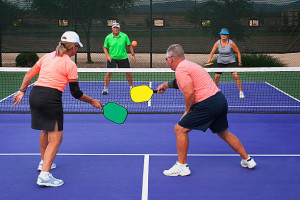 confined space. This rapid directional change places a unique set of demands on your lower extremities. Think about the common actions: sprinting forward to hit a dink shot, quickly shuffling sideways at the kitchen line, and abruptly stopping to volley. These actions heavily tax the soft tissues and joints of the foot and ankle.
The main culprits we see in the clinic generally fall into two categories: traumatic injuries and overuse injuries.
Traumatic Injuries
Traumatic injuries are often sudden and acute. The most common is the ankle sprain, typically occurring when a player pivots sharply or lands awkwardly after reaching for a difficult shot. The force of the sudden, twisting motion can stretch or tear the ligaments supporting the ankle joint. While many sprains are mild, a severe lateral ankle sprain can take weeks or even months to fully heal and, if not properly rehabilitated, can lead to chronic ankle instability.
Less common, but more serious, are Achilles tendon ruptures. This is a sudden, debilitating injury often felt as a sharp pop in the back of the ankle, sometimes incorrectly blamed on being “hit” by a ball or object. The explosive push-off required for a quick sprint from the kitchen line to the baseline is a classic mechanism for this injury, particularly in weekend warriors who may not warm up adequately.
Overuse Injuries
These are insidious injuries that creep up over time, often beginning as a minor ache that players ignore until it becomes debilitating.
Plantar Fasciitis: This is arguably the most frequent complaint we hear. The repetitive, high-impact nature of quick stops and starts places immense strain on the plantar fascia, the thick band of tissue running along the bottom of your foot. Symptoms include sharp, stabbing pain in the heel, especially with the first few steps in the morning.
Stress Fractures: Constant pounding on hard court surfaces, especially without proper footwear and conditioning, can lead to small cracks in the bones of the foot (metatarsals). The pain often worsens during activity and may persist even at rest.
Beyond the shoe, invest in quality orthotic inserts if you have pre-existing biomechanical issues, such as flat feet or high arches. This can provide crucial shock absorption and proper alignment.
2. Prioritize Warm-ups and Stretching
A cold muscle is an injured muscle. Dedicate 10-15 minutes before every session to dynamic stretching – movements that prepare your body for the activity.
– Ankle Circles: Rotate each ankle in both directions
– Calf stretches: Use a fence or net to stretch your calves to help prevent Achilles strain and plantar fasciitis.
– Light Shuffling: Practice the movement patterns you’ll use in the game to activate the muscles.
3. Condition and Cross-Train
The sudden increase in court time is a major contributor to overuse injuries. Gradually increase your playing time and supplement your pickleball with exercises that build strength and balance:
– Ankle Strengthening: Use resistance bands to strengthen the muscles around the ankle joint.
– Single-Leg Balance: Practice standing on one leg to improve stability and proprioception (your body’s sense of position).
– Core Strength: A strong core contributes significantly to overall balance and reduces the load placed on your lower extremities.
When to See a Podiatrist
If you experience persistent pain that does not resolve with rest, ice, and over-the-counter anti- inflammatories, or if you sustain an acute injury, don’t play through the pain. Early diagnosis and intervention are key to a quick and complete recovery. Delaying treatment can turn a simple case of tendonitis into a chronic issue that keeps you off the court for much longer.
Pickleball is a fantastic way to stay fit and connect with others. By respecting the unique demands it places on your feet and taking the necessary preventative steps – especially with proper court shoes – you can ensure your feet are as ready for the next dink shot as you are. See you on the courts! Or better yet, I hope not to see you in the clinic!
If you are experiencing foot pain, please contact Dr. Chapman’s office immediately at (239) 430-3668 (FOOT) or visit www.NaplesPodiatrist.com to schedule an examination.
Serving Southwest Florida Since 2005, Family Foot & Leg Center has multiple convenient locations throughout Collier, Lee, Charlotte, and Sarasota Counties. Offering pediatric to geriatric family care: Ingrown Toenails, Heel Pain, Bunions, Foot / Ankle Arthritis Pain, Plantar Fasciitis, Foot / Ankle Surgery, Custom Orthotics, and Diabetic Wound Care. In office X-rays, ultrasounds, and minor surgical suite exam rooms. Practice powered by EMR and advanced technologies.
Home of the Lam Minimally Invasive No-Scar Bunion Surgery! Come Discover Why Patients Love Our 5-Star Foot & Ankle Care!
For advanced wound management and diabetic wound healing resources, visit: WoundHealingExperts.com
Same Day Appointments! Easy Online Appointment Scheduling.