 Fax: (239) 692-9436
 Tel: 239-430-3668
Morton’s Neuroma: Understanding the Pain in the Ball of Your Foot
January 18 2026
Experiencing burning or zapping pain in the ball of your foot? Morton’s neuroma may be the cause. Discover symptoms and podiatry treatments.
Morton’s neuroma is a painful foot condition caused by the thickening of tissue surrounding one of the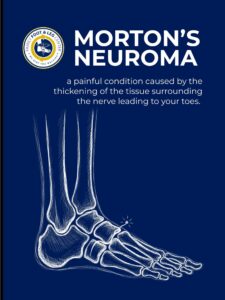 nerves leading to your toes. This thickening places pressure on the nerve, resulting in discomfort that can significantly impact daily activities. The condition is most commonly found in the ball of the foot, specifically in the space between the third and fourth toes.
Many patients describe Morton’s neuroma as feeling like they are standing on a pebble or a fold in their sock. Others report sharp, burning pain, tingling, or sudden “zaps” that radiate into the toes. In some cases, numbness may develop in the affected toes, making walking or standing uncomfortable.
Common Symptoms of Morton’s Neuroma
Symptoms often develop gradually and may worsen over time if left untreated. Common signs include:
- Pain in the ball of the foot, especially during walking or standing
- Burning or sharp pain between the toes
- Tingling, numbness, or electric-like “zaps” extending into the toes
- A feeling of having something stuck under the ball of the foot
- Symptoms that improve when shoes are removed or the foot is massaged
Because the pain is nerve-related, symptoms can vary in intensity and may come and go.
What Causes Morton’s Neuroma?
Morton’s neuroma typically develops due to repetitive irritation or compression of the nerve.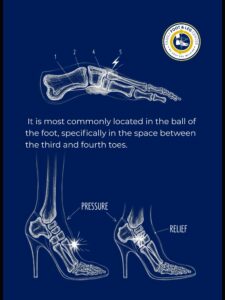 Several factors can increase your risk, including:
- Wearing tight, narrow, or high-heeled shoes
- Foot deformities such as bunions, hammertoes, or flat feet
- High-impact activities like running or court sports
- Abnormal foot mechanics that place extra pressure on the forefoot
Over time, this repeated stress causes the nerve tissue to thicken, leading to inflammation and pain.
How Is Morton’s Neuroma Diagnosed?
A podiatrist can often diagnose Morton’s neuroma through a combination of a physical examination and a review of your symptoms. Gentle pressure on the foot may reproduce the pain or clicking sensation associated with the condition. Imaging studies such as ultrasound or MRI may be used to confirm the diagnosis and rule out other causes of forefoot pain.
Treatment Options for Morton’s Neuroma
Treatment focuses on relieving pressure on the affected nerve and reducing inflammation. Most patients respond well to conservative care, especially when the condition is addressed early.
Common treatment options include:
- Shoe modifications with a wider toe box
- Custom orthotics to redistribute pressure
- Activity modification and rest
- Anti-inflammatory therapies
- Padding or offloading of the forefoot
For patients with persistent symptoms, advanced therapies such as Extracorporeal Shock Wave Therapy (ESWT) may be recommended. ESWT is a non-invasive treatment that stimulates healing and reduces pain by targeting the affected tissue without surgery.
In rare cases where conservative and advanced treatments do not provide relief, surgical options may be considered.
When to See a Podiatrist
If you experience ongoing pain, numbness, or burning in the ball of your foot, it’s important to seek professional evaluation. Early diagnosis and treatment can help prevent worsening symptoms and long-term nerve damage.
At a specialized podiatry practice, a personalized treatment plan can help you return to comfortable, pain-free movement and protect your long-term foot health.
At Family Foot & Leg Center, our experienced podiatrists specialize in diagnosing and treating foot and ankle pain using advanced, patient-focused care.
 Locations:
Naples | Estero | Fort Myers | Cape Coral | Port Charlotte | Sarasota
 Call: 239-430-3668 (FOOT)
 Visit: www.NaplesPodiatrist.com
Don’t let heel pain slow you down. Schedule an appointment today and take the first step toward healthier, pain-free feet.
Serving Southwest Florida Since 2005, Family Foot & Leg Center has multiple convenient locations throughout Collier, Lee, Charlotte, and Sarasota Counties. Offering pediatric to geriatric family care: Ingrown Toenails, Heel Pain, Bunions, Foot / Ankle Arthritis Pain, Plantar Fasciitis, Foot / Ankle Surgery, Custom Orthotics, and Diabetic Wound Care. In office X-rays, ultrasounds, and minor surgical suite exam rooms. Practice powered by EMR and advanced technologies.
Home of the Lam Minimally Invasive No-Scar Bunion Surgery! Come Discover Why Patients Love Our 5-Star Foot & Ankle Care!
For advanced wound management and diabetic wound healing resources, visit: WoundHealingExperts.com
Same Day Appointments! Easy Online Appointment Scheduling.