
 Fax: (239) 692-9436
 Tel: 239-430-3668
How to Properly Use a TriLok Ankle Brace (And Why It Matters)
February 20 2026
Confused about how to use your TriLok ankle brace? Learn proper application, common mistakes to avoid, and how to get the right ankle support for recovery and stability. 👣
Ankle brace confusion? You’re not alone.
Whether you’re recovering from an ankle sprain, managing chronic ankle instability, or trying to prevent reinjury during activity, the TriLok ankle brace is designed to provide targeted support. But like any medical device, it only works properly when applied correctly.
Here’s what you need to know.
Why Proper Ankle Support Is Important
After an ankle injury, the ligaments that stabilize the joint can become stretched or weakened. Without adequate support, this can lead to:
- Recurrent ankle sprains
- Ongoing swelling and discomfort
- Reduced balance and stability
- Delayed healing
An external support like the TriLok brace helps reinforce the ankle’s natural stabilizing structures, especially during movement.
What Makes the TriLok Brace Different?
The TriLok ankle brace is designed to:
- Provide medial and lateral (side-to-side) stability
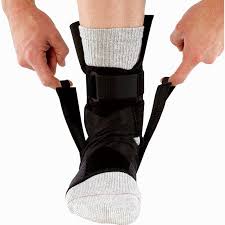
- Support the ankle during walking and activity
- Allow functional movement while limiting excessive motion
- Offer a more streamlined fit inside most shoes
It’s commonly recommended for:
- Acute ankle sprains
- Chronic ankle instability
- Return-to-sport support
- Prevention of recurrent injuries
How to Use the TriLok Ankle Brace Correctly
Proper application ensures you get the intended level of support.
1. Start With a Neutral Foot Position
Sit with your foot at a 90-degree angle (toes pointing upward, not down). This helps position the ligaments correctly before securing the brace.
2. Apply the Brace Snugly (Not Tight)
The brace should feel secure but not restrictive. You shouldn’t experience numbness, tingling, or color changes in your toes.
3. Secure the Straps in the Correct Order
Follow the manufacturer’s strap sequence to ensure proper stabilization. The directional straps are designed to control specific ankle movements — reversing them can reduce effectiveness.
4. Wear With Supportive Footwear
The brace works best when paired with a stable shoe that has a firm heel counter and appropriate arch support.
Common Mistakes to Avoid
- Wearing the brace too loosely
- Over-tightening and cutting off circulation
- Using it with unsupportive or worn-out shoes
- Continuing high-impact activity too soon after injury
- Relying on a brace without strengthening the ankle
Remember: a brace supports healing — it doesn’t replace proper rehabilitation.
Do You Need an Ankle Brace?
Not everyone with ankle pain needs bracing. The right treatment depends on:
- Severity of injury
- Level of instability
- Activity demands
- Overall foot mechanics
A podiatric evaluation can help determine whether bracing, physical therapy, orthotics, or other treatments are most appropriate for you.
Final Thoughts
An ankle brace like the TriLok can be an excellent tool during recovery or prevention — but correct use is essential. If you’re unsure whether you’re wearing it properly or if it’s the right option for your condition, a professional evaluation can make all the difference.
If you’re experiencing ankle pain or instability, our team at Family Foot & Leg Center is here to help you move with confidence again. 👣
Serving Southwest Florida Since 2005, Family Foot & Leg Center has multiple convenient locations throughout Collier, Lee, Charlotte, and Sarasota Counties. Offering pediatric to geriatric family care: Ingrown Toenails, Heel Pain, Bunions, Foot / Ankle Arthritis Pain, Plantar Fasciitis, Foot / Ankle Surgery, Custom Orthotics, and Diabetic Wound Care. In office X-rays, ultrasounds, and minor surgical suite exam rooms. Practice powered by EMR and advanced technologies.
Home of the Lam Minimally Invasive No-Scar Bunion Surgery! Come Discover Why Patients Love Our 5-Star Foot & Ankle Care!
For advanced wound management and diabetic wound healing resources, visit: WoundHealingExperts.com
Same Day Appointments! Easy Online Appointment Scheduling.