
 Fax: (239) 692-9436
 Tel: 239-430-3668
Heel Pain Isn’t One-Size-Fits-All: Why Understanding the Cause Matters
January 24 2026
Heel pain isn’t one-size-fits-all. Learn how tendons, nerves, fascia, and bone contribute to heel pain—and why identifying the cause matters for proper treatment in Naples, FL.
Heel pain is one of the most common reasons patients seek podiatric care—but it’s also one of the most misunderstood. Many people assume heel pain automatically means plantar fasciitis. While plantar fasciitis is common, it’s far from the only cause. In reality, heel pain can arise from several different structures in the foot and ankle, each with its own pattern of symptoms, triggers, and treatment needs.
At NaplesPodiatrist.com, we believe that compassionate, effective care starts with understanding why pain is happening—not just where it hurts. Identifying the underlying cause of heel pain is the first and most important step toward long-term relief.
Why Heel Pain Can Feel So Different From Person to Person
The heel is a complex area where bones, ligaments, tendons, nerves, and soft tissue all come together. Because multiple structures share a small space, pain in the heel can show up in different ways depending on what’s involved.
Some people feel sharp pain with their first steps in the morning. Others notice aching after long periods of standing, burning sensations at night, or soreness that worsens with activity. Timing, location, and activity level all provide important clues—and those clues help guide appropriate treatment.
Common Sources of Heel Pain
1. Plantar Fascia
The plantar fascia is a thick band of tissue that supports the arch of the foot and connects the heel bone to the toes. When this tissue becomes irritated or strained, it can lead to plantar fasciitis.
Common signs include:
- Sharp or stabbing pain near the bottom of the heel
- Pain with first steps in the morning or after rest
- Improvement with movement, followed by soreness later in the day
Although plantar fasciitis is common, it’s often oversimplified. Factors such as foot structure, footwear, activity level, and flexibility all play a role in how symptoms develop and persist.
2. Tendons
Several tendons attach near the heel, and tendon-related heel pain is frequently overlooked.
- Achilles tendon involvement may cause pain at the back of the heel or slightly above it, especially during walking, running, or climbing stairs.
- Insertional tendon pain can feel stiff, swollen, or tender to the touch and may worsen with tight footwear.
Tendon pain often behaves differently than plantar fascia pain and requires a different treatment approach focused on load management, flexibility, and gradual strengthening.
3. Nerves
Heel pain isn’t always mechanical—it can be neurological. Nerve-related heel pain may feel:
- Burning
- Tingling
- Shooting or electric
- Worse at night or with prolonged standing
Conditions such as nerve entrapment or irritation can mimic other causes of heel pain but won’t respond well to treatments meant for fascia or tendons. Identifying nerve involvement early is key to avoiding prolonged discomfort.
4. Bone
In some cases, heel pain originates from the heel bone itself.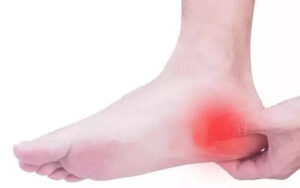
- Stress reactions or stress fractures may cause deep, aching pain that worsens with activity
- Heel spurs may be present but are not always the true source of pain
Bone-related pain often feels more constant and may not improve with stretching or rest alone. Imaging and clinical evaluation are sometimes needed to clarify the diagnosis.
Why Timing and Activity Matter
One of the most important diagnostic tools in podiatry is listening carefully to when pain occurs.
- Pain with first steps in the morning suggests tissue stiffness or overload
- Pain during activity may point toward tendons or bone
- Pain after activity may indicate inflammation or strain
- Nighttime pain or burning may suggest nerve involvement
These patterns help narrow down the cause and prevent a one-size-fits-all treatment plan that may miss the mark.
The Risk of Treating Heel Pain Without a Clear Diagnosis
Trying to self-treat heel pain without understanding the cause can delay healing—or even make symptoms worse. Generic advice like “just stretch,” “rest more,” or “buy new shoes” may help some people, but not others.
For example:
- Aggressive stretching may worsen nerve pain
- Ignoring tendon overload can lead to chronic injury
- Continuing high-impact activity with bone stress can increase injury risk
That’s why individualized evaluation is so important.
Compassionate, Personalized Heel Pain Care in Naples, FL
At Family Foot and Leg Center in Naples, we focus on understanding the whole picture—your symptoms, lifestyle, activity level, and goals. Heel pain affects daily life, mobility, and quality of life, and it deserves thoughtful, patient-centered care.
Treatment plans may include:
- Activity modification
- Footwear and support recommendations
- Targeted stretching or strengthening
- In-office therapies when appropriate
- Education to help prevent recurrence
Our goal is not just temporary relief, but long-term foot health.
Take the First Step Toward Relief
Heel pain isn’t one-size-fits-all—and neither is treatment. Understanding what structure is causing your discomfort is the foundation of effective care.
If you’re experiencing heel pain in Naples or Southwest Florida, a comprehensive evaluation can help identify the cause and guide you toward the right solution.
Compassion in care starts with understanding.
#CompassionInCare #CommunityHealth #FamilyFootAndLegCenter #NaplesPodiatrist #SWFLDoctors
If you’re experiencing foot or ankle discomfort, don’t overlook your shoes. A podiatric evaluation can help determine whether footwear, orthotics, or treatment is needed to keep you moving comfortably.
At Family Foot and Leg Center, compassionate care and community health are always our priority. Your feet carry you through life—let’s take good care of them.
#CompassionInCare #CommunityHealth #FFLC #FamilyFootAndLegCenter #SWFLDoctors
For foot and ankle problems, a professional evaluation can help determine the cause and appropriate next steps.
 (239) 430-3668 (FOOT)
 www.NaplesPodiatrist.com
Serving Southwest Florida Since 2005, Family Foot & Leg Center has multiple convenient locations throughout Collier, Lee, Charlotte, and Sarasota Counties. Offering pediatric to geriatric family care: Ingrown Toenails, Heel Pain, Bunions, Foot / Ankle Arthritis Pain, Plantar Fasciitis, Foot / Ankle Surgery, Custom Orthotics, and Diabetic Wound Care. In office X-rays, ultrasounds, and minor surgical suite exam rooms. Practice powered by EMR and advanced technologies.
Home of the Lam Minimally Invasive No-Scar Bunion Surgery! Come Discover Why Patients Love Our 5-Star Foot & Ankle Care!
For advanced wound management and diabetic wound healing resources, visit: WoundHealingExperts.com
Same Day Appointments! Easy Online Appointment Scheduling.