
 Fax: (239) 692-9436
 Tel: 239-430-3668
Hallux rigidus is a common form of arthritis that affects the joint at the base of the big toe. Over time, it can lead to pain, stiffness, and limited motion that interferes with daily activities such as walking, exercising, or standing for long periods. Recognizing the early signs and seeking prompt evaluation can make a meaningful difference in managing symptoms and slowing progression.
What Is Hallux Rigidus?
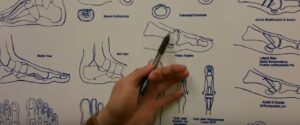
Hallux rigidus occurs when the cartilage in the big toe joint (the first metatarsophalangeal joint) begins to wear down. As the cartilage deteriorates, movement becomes painful and restricted. The condition often develops gradually and may worsen if left untreated.
Early Signs and Symptoms
In the early stages, hallux rigidus symptoms may be subtle and easy to overlook. Common early signs include:
- Stiffness in the big toe, especially during walking or running
- Pain at the top of the big toe joint, often worse with activity
- Reduced range of motion, particularly when bending the toe upward
- Swelling or tenderness around the joint
- Discomfort in certain shoes, especially those with limited toe space
Many people notice symptoms first during activities that require pushing off the toes, such as climbing stairs or exercising.
Progressive Symptoms
As hallux rigidus advances, symptoms may become more noticeable and persistent. These can include:
- Increasing pain even during normal walking
- Noticeable joint enlargement or bone spurs
- Pain at rest or after prolonged standing
- Difficulty performing activities that require toe flexibility
Without treatment, the joint can become increasingly stiff, limiting overall foot function.
Why Early Evaluation Matters
Early evaluation is critical in managing hallux rigidus. When identified early, conservative treatments may help reduce pain, preserve joint motion, and slow progression. Delaying care can lead to increased joint damage and fewer treatment options.
Early assessment allows a healthcare professional to:
- Accurately diagnose the condition
- Determine the stage of joint involvement
- Recommend appropriate treatment options
- Address contributing factors such as footwear, activity level, or biomechanics
How Hallux Rigidus Is Evaluated
Evaluation typically includes a physical examination of the foot and big toe joint, assessment of range of motion, and discussion of symptoms and activity levels. Imaging studies, such as X-rays, may be used to assess joint space, bone spurs, and arthritis severity.
When to Seek Care
You should consider professional evaluation if you experience:
- Persistent big toe pain or stiffness
- Difficulty bending the big toe
- Pain that interferes with daily activities or exercise
- Worsening symptoms over time
Early care can help guide treatment decisions and improve long-term outcomes.
Takeaway
Hallux rigidus is a progressive condition, but early recognition and evaluation can make a significant difference. Paying attention to early symptoms and seeking timely care may help reduce pain, maintain mobility, and protect long-term foot health.
If you are experiencing ongoing big toe discomfort or stiffness, a professional evaluation can help determine the cause and appropriate next steps.
 (239) 430-3668 (FOOT)
 www.NaplesPodiatrist.com
Serving Southwest Florida Since 2005, Family Foot & Leg Center has multiple convenient locations throughout Collier, Lee, Charlotte, and Sarasota Counties. Offering pediatric to geriatric family care: Ingrown Toenails, Heel Pain, Bunions, Foot / Ankle Arthritis Pain, Plantar Fasciitis, Foot / Ankle Surgery, Custom Orthotics, and Diabetic Wound Care. In office X-rays, ultrasounds, and minor surgical suite exam rooms. Practice powered by EMR and advanced technologies.
Home of the Lam Minimally Invasive No-Scar Bunion Surgery! Come Discover Why Patients Love Our 5-Star Foot & Ankle Care!
For advanced wound management and diabetic wound healing resources, visit: WoundHealingExperts.com
Same Day Appointments! Easy Online Appointment Scheduling.

