
 Fax: (239) 692-9436
 Tel: 239-430-3668
Diabetic foot care is crucial in Florida’s warm climate. Learn year-end reminders, prevention tips, and when to see a podiatrist to protect your feet.
Living in Southwest Florida offers many benefits—sunshine, outdoor activities, and a relaxed lifestyle. However, for people with diabetes, Florida’s warm, humid climate also presents unique risks to foot health. As the year comes to a close, it’s an ideal time to review diabetic foot care essentials and schedule preventive care to avoid complications in the year ahead.
At Family Foot & Leg Center, we see firsthand how Florida’s climate can increase the risk of infections, ulcers, and delayed healing for diabetic patients. These year-end reminders can help protect your feet and keep you active and healthy.
Why Diabetic Foot Care Is Especially Important in Florida
Diabetes affects circulation and nerve sensation, making it harder to notice injuries and slower for wounds to heal. In Florida, heat, moisture, and frequent sandal use add additional challenges: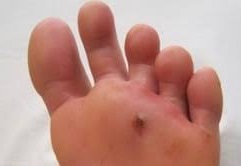
- Increased sweating can lead to fungal infections
- Walking barefoot raises the risk of cuts and puncture wounds
- Warm temperatures allow bacteria to thrive
- Humidity can worsen skin breakdown between toes
Without proper care, small issues can quickly escalate into serious complications.
Watch for Warning Signs You Should Never Ignore
People with diabetes should inspect their feet daily, especially during Florida’s warmer months. Contact a podiatrist in Naples if you notice:
- Redness, swelling, or warmth
- Cuts, blisters, or sores that don’t heal
- Cracks in the heels or dry, peeling skin
- Changes in skin color or toenail thickness
- Numbness, tingling, or burning sensations
Early treatment can prevent infections and reduce the risk of ulcers or amputation.
Footwear Matters More Than You Think
While flip-flops and sandals are popular year-round, they often provide little protection or support for diabetic feet.
Safer footwear tips for diabetics:
- Choose shoes with closed toes and cushioned soles
- Avoid thin flip-flops or walking barefoot outdoors
- Wear moisture-wicking socks to reduce sweating
- Check shoes before wearing them for sand or debris
Proper footwear helps prevent injuries that you may not feel due to diabetic neuropathy.
Prevent Fungal Infections in Warm, Humid Weather
Fungal toenails and athlete’s foot are especially common in Florida. For diabetics, these infections can lead to skin breakdown and secondary bacterial infections.
Prevention tips:
- Keep feet clean and dry, especially between toes
- Change socks daily (or more often if sweating)
- Use antifungal powders or sprays if recommended
- Avoid sharing shoes or nail tools
If you notice thickened, discolored, or brittle toenails, seek professional treatment rather than using over-the-counter products.
Never Treat Foot Problems at Home
DIY foot care can be dangerous for diabetic patients. Avoid:
- Cutting corns or calluses yourself
- Using chemical corn removers
- Trimming ingrown toenails too deeply
A podiatrist can safely manage these issues while minimizing the risk of infection or injury.
Why Year-End Is the Best Time to Schedule a Foot Exam
As the year ends, many insurance plans reset. A year-end diabetic foot exam allows your podiatrist to:
- Check circulation and nerve function
- Identify early signs of ulcers or infection
- Treat nail and skin conditions safely
- Update preventive care plans for the new year
Addressing problems now can help you avoid costly and serious complications later.
Start the New Year with Healthier Feet
Healthy feet are essential for maintaining independence and quality of life. With consistent care and professional monitoring, many diabetic foot complications are preventable—even in Florida’s challenging climate.
If you have diabetes and live in SWFL or the surrounding areas, scheduling a visit with a podiatrist before the end of the year is a smart step toward protecting your long-term foot health.
If you are experiencing foot problems, you can call FFLC office at (239) 430-3668 (FOOT) or visit www.NaplesPodiatrist.com to schedule an examination.
Serving Southwest Florida Since 2005, Family Foot & Leg Center has multiple convenient locations throughout Collier, Lee, Charlotte, and Sarasota Counties. Offering pediatric to geriatric family care: Ingrown Toenails, Heel Pain, Bunions, Foot / Ankle Arthritis Pain, Plantar Fasciitis, Foot / Ankle Surgery, Custom Orthotics, and Diabetic Wound Care. In office X-rays, ultrasounds, and minor surgical suite exam rooms. Practice powered by EMR and advanced technologies.
Home of the Lam Minimally Invasive No-Scar Bunion Surgery! Come Discover Why Patients Love Our 5-Star Foot & Ankle Care!
For advanced wound management and diabetic wound healing resources, visit: WoundHealingExperts.com
Same Day Appointments! Easy Online Appointment Scheduling.

