
 Fax: (239) 692-9436
 Tel: 239-430-3668
If you’re in the healthcare field, especially podiatry, you know the fiery pain of a Gout attack is No joke! Dealing with hyperuricemia isn’t just about the joints; it’s a systemic issue, so let’s partner with our patients to focus on long-term uric acid control, proper hydration, and diet changes to keep those crystals away and keep them walking comfortably!
Karan Malani, FACFAS
Kevin Lam, DPM, FACFAS
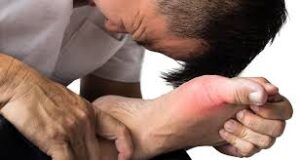
As a podiatrist here in Naples, Florida, I’ve seen my share of foot and ankle issues. From complex surgical reconstructions to the routine relief of common aches, my goal is always the same: to keep you walking comfortably and living your best life. However, few conditions present with the same sudden, excruciating drama as an acute attack of gout. It’s often described as a foot being on fire, and for good reason. It’s an inflammatory form of arthritis that can turn a healthy day into an emergency room visit in a matter of hours.
Here at Family Foot & Leg Center, we see gout not just as a joint problem, but as a systemic issue with a very painful local manifestation, most commonly in the big toe – a condition called podagra. I want to break down what gout is, why it targets the foot, and – most importantly – how can we partner together to manage and prevent these debilitating flare-ups.
What’s Really Happening During a Gout Attack?
The root cause of gout is a condition called hyperuricemia, or an elevated level of uric acid in the blood. Uric acid is a natural byproduct of the body breaking down purines, which are found in your body’s cells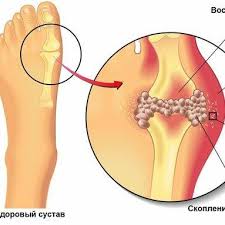 and in many foods. Normally, your kidneys efficiently process and excrete this acid. But if your body produces too much, or if your kidneys don’t execute enough, the uric acid levels climb.
When the concentration reaches a critical point, the acid begins to crystallize, forming sharp, needle-like structures of monosodium urate. These crystals prefer to settle in the coolest part of the body – and that’s often the joints of the foot, especially the big toe.
Imagine a microscopic landscape of your joint suddenly invaded by millions of tiny, razor-sharp shards. Your immune system reacts violently, triggering a massive inflammatory response. This is the agony of a gout attack: the intense, searing pain, swelling, redness, and heat that makes even the lightest touch unbearable.
The Podiatric Perspective: Why the Foot is the Target
From a podiatrist’s standpoint, the frequency with which gout manifests in the big toe is critical. This is due to a few factors:
Temperature: As the joint farthest from the core, the big toe has a slightly lower temperature, which is an ideal environment for urate crystals to precipitate out of the synovial fluid.
Joint Stress: The big toe is a primary weight-bearing joint, subjected to high pressures during walking and movement. This mechanical stress can also contribute to crystal formation and the initiation of an inflammatory flare.
Vulnerability: The metatarsophalangeal (MTP) joint of the big toe is relatively small, meaning that even a small amount of crystal deposition can quickly lead to intense pressure and pain within the joint capsule.
If left unmanaged, the gout story doesn’t end with periodic flares. Chronic, untreated gout can lead to permanent joint damage and the formation of tophi – visible, palpable lumps or urate crystals that can deform the foot and even break through the skin, leading to serious infection. Furthermore, research has shown an association between hyperuricemia and other serious health risks, including cardiovascular and kidney disease. Managing gout is therefore a crucial step in maintaining overall systemic health.
Comprehensive Treatment and Lifestyle Management
As a podiatrist, my initial focus during a flare-up is acute pain relief. This typically involves prescription anti-inflammatory medications (NSAIDS) or corticosteroids to rapidly reduce the inflammation and break the cycle of pain. Rest and elevation are non-negotiable during this phase.
However, the true battle against gout is won in the long term through a combination of medication and lifestyle changes:
Dietary and Lifestyle Modifications: This is where you, the patient, take control. Reducing consumption of high-purine foods (red meat, certain seafood like scallops and tuna, and organ meats), limiting alcohol (especially beer), and avoiding sugary drinks are critical. Maintaining a healthy weight and staying well-hydrated also significantly helps the kidneys excrete uric acid more effectively.
Medication to Lower Uric Acid: This is key. Medications like allopurinol or febuxostat work to reduce the production of uric acid, preventing the formation of new crystals. Uric acid levels must be monitored regularly to ensure they remain below the target range.
If you’ve experienced that sudden, debilitating pain – that “fire in your foot” – it is not a transient ache that you should ignore or dismiss as a simple sprain. It is a sign that your body’s chemistry is out of balance, and you need a comprehensive management plan. Waiting until the next attack is not a strategy; it’s a path toward irreversible joint damage.
Do not let gout dictate your mobility or your quality of life in sunny Southwest Florida. My call to action is simple and urgent: If you suspect you have gout, or if you have had a confirmed diagnosis but are not actively managing your uric acid levels, please call us today.
At Family Foot & Leg Center, my colleagues and I are ready to provide a thorough diagnosis, rapid pain management, and a long-term strategy to conquer this condition. Don’t suffer in silence. Let’s get your pain under control and implement a plan to keep the fire in your foot permanently extinguished.
If you are experiencing symptoms of gout, don’t delay.
 Contact Dr. Malani’s office at (239) 430-3668 (FOOT) or visit www.NaplesPodiatrist.com to schedule an examination.
Serving Southwest Florida Since 2005, Family Foot & Leg Center has multiple convenient locations throughout Collier, Lee, Charlotte, and Sarasota Counties. Offering pediatric to geriatric family care: Ingrown Toenails, Heel Pain, Bunions, Foot / Ankle Arthritis Pain, Plantar Fasciitis, Foot / Ankle Surgery, Custom Orthotics, and Diabetic Wound Care. In office X-rays, ultrasounds, and minor surgical suite exam rooms. Practice powered by EMR and advanced technologies.
Home of the Lam Minimally Invasive No-Scar Bunion Surgery! Come Discover Why Patients Love Our 5-Star Foot & Ankle Care!
For advanced wound management and diabetic wound healing resources, visit: WoundHealingExperts.com
Same Day Appointments! Easy Online Appointment Scheduling.