
 Fax: (239) 692-9436
 Tel: 239-430-3668
Our new article breaks down the catastrophic dislocated ankle fracture – the same injury that sidelined Fred Warner – covering diagnosis, surgical fixation, and the 12-month road to recovery! Weekend Warriors – Don’t just “walk off” a twist; Precise care is the key to getting your mobility back!
Patrick Bartholomew, DPM
Kevin Lam, DPM, FACFAS
As a podiatrist here at Family Foot & Leg Center in Cape Coral, Florida, I spend my days focusing on the intricate mechanics of the foot and ankle. The thrill of professional sports, while entertaining, often gives way to a sobering reality: the fragility of the human body under immense stress. There are few injuries that strike as much fear into the heart of an athlete, a coaching staff, and indeed, a medical professional, as the dislocated ankle fracture. It’s a complex, painful event that can derail careers and test the limits of recovery. On October 12, 2025, the collective gasp from fans watching the pivotal game between the San Francisco 49ers and the linebacker Fred Warner went down. The replay confirmed what we dread seeing: a grotesque deformation of his left ankle, indicative of a severe dislocated ankle fracture.
The Injury: A Violent Torsion
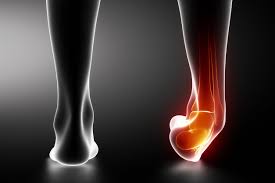
A dislocated ankle fracture is not a singular event; it’s a catastrophic combination of two distinct but simultaneous traumas. The “dislocation” refers to the talus (the main ankle bone) being violently forced out of its normal articulation with the tibia and fibula (the shin bones). This almost always happens with extreme twisting or translational forces, a common occurrence in high-impact sports like football. The “fracture” component refers to the breakage of one or more of the bones surrounding the ankle joint – most commonly the distal fibula (lateral malleolus), but often involving the tibia (medial malleolus or posterior malleolus) as well. The essential stabilizing ligaments are almost always torn or severely stretched in the process.
Think of the ankle as a meticulously engineered mortise and tenon joint, designed for stability and controlled movement. A dislocated ankle fracture is like taking a sledgehammer to that finely tuned mechanism. In Fred Warner’s case, the mechanism of injury was likely a combination of his foot being planted firmly on the turf while his body twisted violently, possibly from a pile-up or an awkward tackle. The energy transferred through his leg was simply too much for the bony and ligamentous structures to withstand, leading to the dramatic disruption of the joint. The immediate pain is excruciating, often accompanied by a sickening pop or tear. Visually, the ankle appears deformed, often rotated or angled unnaturally, due to the talus being displaced. Swelling is rapid and significant, as blood vessels and soft tissues are invariably damaged.
Diagnosis: Swift and Meticulous Assessment
Upon witnessing such an injury, the immediate priority for the medical team is stabilization and transport. Once in the medical facility, a swift and meticulous diagnostic process begins. While the visible deformity often strongly suggests a dislocation, it’s crucial to understand the full extent of the damage.
The first step is a thorough clinical examination, cautiously assessing the deformity, and most critically, the neurovascular status. We check for sensation and blood flow in the foot ant toes, as dislocation can compromise these vital structures. However, the definitive diagnosis relies heavily on imaging.
X-rays are the cornerstone. Multiple views (AP, lateral, and oblique) are taken to clearly visualize the extent of the dislocation and identify all fracture lines. In Fred’s situation, the X-rays would have immediately revealed the talus significantly displaced, likely posteriorly or laterally, with accompanying fractures of the malleoli. Sometimes, even after the dislocation is reduced (put back into place), follow-up X-rays are critical to confirm proper alignment. In complex cases, a CT scan aay be ordered to detail subtle fractures, intra-auricular fragments, or for precise surgical planning. Later, an MRI might be considered to fully assess ligamentous and soft tissue damage, which can significantly impact rehabilitation and long-term stability.
Treatment: Reduction, Fixation, and Rehabilitation
The treatment for a dislocated ankle fracture is multifaceted, beginning with immediate reduction and almost always culminating in surgical intervention.
- Reduction: The first and most critical step is t reduce the dislocation – to manually maneuver the talus back into its proper anatomical position. This is often performed under conscious sedation or general anesthesia due to the intense pain and muscle spasm. Once reduced, the pain often significantly decreases, and the neurovascular status improves. A temporary splint is then applied to maintain alignment.
- Surgical Fixation (ORIF): For nearly all dislocated ankle fractures, surgical intervention is necessary. This procedure, known as Open Reduction Internal Fixation (ORIF), aims to meticulously realign the fractured bone fragments and hold them in place with plates, screws, or pins. The goal is simple: restore the anatomical integrity of the ankle joint, creating a stable platform for healing and future function. In Fred Warner’s case, the complexity of his injury likely necessitated an extensive ORIF, involving the careful construction of his fibula and possibly the medial malleolus, along with addressing any significant ligamentous tears.
- Post-Operative Care and Rehabilitation: This is where true test of patience and perseverance begins. The ankle will be immobilized in a cast or boot for several weeks (typically 4-8 weeks), with strict non-weight-bearing instructions to protect the healing bones. Under the guidance of a physical therapist, controlled range-of-motion exercises will begin once the surgeon deems it safe to prevent stiffness, a common complication. Gradually, progressive weight-bearing will be introduced, followed by intensive strengthening and proprioception (balance) training. For an elite athlete like Fred, rehabilitation enters a highly specialized phase, mimicking sport-specific movements and agility drills before a gradual return to full practice.
Timeline: A Long Road Ahead
The timeline for recovery is extensive and highly individualized. For an elite athlete like Fred Warner, the pressure to return is immense, but rushing the process can lead to long-term complications.
– Initial Healing (0-8 weeks): Strict non-weight-bearing. Focus is on bone healing, swelling reduction, and gentle range of motion.
– Early Rehabilitation (8-16 weeks): Gradual weight-bearing begins, along with increasing range of motion and initial strengthening. The athlete transitions from crutches to walking with a boot, then eventually to supportive footwear.
– Advanced Rehabilitation (4-6 months): Intensive strengthening, balance training, and proprioception exercises. Sport-specific drills are gradually introduced.
– Return to Play (6-12+ months): For a high-impact sport like football, a full return to competitive play typically takes anywhere from 6 to 12 months, or longer. The decision is made based on objective criteria: full range of motion, symmetrical strength, excellent balance, no pain, and clearance from the entire medical team.
The gravity of Fred Warner’s injury should serve as a stark reminder to every weekend warrior, high school athlete, and recreational enthusiast. If you experience an ankle injury – whether a sudden, severe event like a visible deformity or a seemingly minor but persistent twist – you cannot afford to “walk it off.”
As Dr. Patrick Bartholomew of Family Foot & Leg Center in Cape Coral, Florida, I urge you: Seek immediate medical attention. The swiftness of diagnosis and the precision of initial treatment are the greatest predictors of a full recovery. Don’t gamble with your mobility – let a specialist confirm the extent of the damage so you can begin the necessary path to healing today.
Serving Southwest Florida Since 2005, Family Foot & Leg Center has multiple convenient locations throughout Collier, Lee, Charlotte, and Sarasota Counties. Offering pediatric to geriatric family care: Ingrown Toenails, Heel Pain, Bunions, Foot / Ankle Arthritis Pain, Plantar Fasciitis, Foot / Ankle Surgery, Custom Orthotics, and Diabetic Wound Care. In office X-rays, ultrasounds, and minor surgical suite exam rooms. Practice powered by EMR and advanced technologies.
Home of the Lam Minimally Invasive No-Scar Bunion Surgery! Come Discover Why Patients Love Our 5-Star Foot & Ankle Care!
For advanced wound management and diabetic wound healing resources, visit: WoundHealingExperts.com
Same Day Appointments! Easy Online Appointment Scheduling.